
By Emrah Fejzic and Bryan Guzman
From its conception 30 years ago, the Big Dig project was as ambitious as it was costly. It not only altered the flow of traffic, but also changed the face of Boston. Planning began in 1982 but construction did not start until a decade later.
Completed in 2006, the mega-project rerouted Interstate 93, a major highway through the heart of the city, and created the 3.5-mile Dewey Square Tunnel. It also included other construction projects in an effort to ease traffic around the city and modernize the highway system. About $22 billion later, most experts agree that the Dig was worth it, pointing out putting the highway underground made it safer and more attractive, with parks built above it.
Richard Parr, director of Policy and Development for “A Better City”- a non-profit that works on transportation issues- called the end result “extremely magnificent” and “worthwhile.” Parr said the project not only opened up new opportunities for economic development, but also gave life to a new route to the South Boston area.
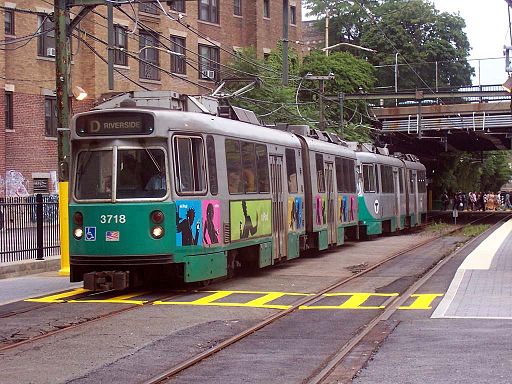
Despite general approval, the venture faced major obstacles. Environmental impact studies required improvements to the MBTA, such as connecting the Blue and Red lines to ease the amount of air pollution produced by new highway users. Many of these legal obligations were not met.
“It’s ridiculous,” said former State Secretary of Transportation Fred Salvucci. “The federal government made us do all these promises and didn’t enforce them. The Orange line is also a disgrace. It should have been improved by 1995, but look, it’s 2012.”
Municipal leaders around the state also believe the transportation system could be better. To show support, officials rallied at South Station earlier this month calling for more efficient public transportation, infrastructure improvements, and for more aid from the state Legislature. The rally was attended by Somerville Mayor Joe Curtatone, Boston Mayor Thomas Menino, and Chelsea City Manager Jay Ash.
“Public transportation is so critical to maintain and expand,” said Ash. “Buses and trains help people get to work, to their appointments, to schools, to shopping, and so much more. A healthy economy has a healthy public transportation system.”
“Ours here in Massachusetts is under-funded, and, therefore, is threatening our economic vitality and overall quality of life. We need to do more, not less, and need to do so today before it is too late,” said Ash.
The Big Dig tackled a number of these problems. However, the MBTA now faces new challenges. Even though ridership is at its highest level since 1946, fares are being increased by 43 percent and services are being cut because debt has accumulated over the years, among other issues.
Certain experts believe that the public transportation aspect of the Dig was never fully completed because one of the original goals of reducing traffic by improving public transportation did not happen.
State traffic specialists found that on I-93, north of the city, there has been a 27 percent increase in traffic in the last 25 years. Their reports also showed that in certain parts of the Dig commute time has doubled.
“Improving highways will never fix traffic,” said Stephanie Pollack, the associate director of the Kitty & Michael Dukakis Center for Urban & Regional policy at Northeastern University.
According to Pollack, highway improvements and additions invite more traffic. Pollack said the MBTA improvements were supposed to have helped with this problem.
“The Big Dig did a great job with reshaping the city; however, we need to finish what we started with public transportation. It’s time to take action,” Pollack said.